-
Provided by: ConvertKit/Unsplash
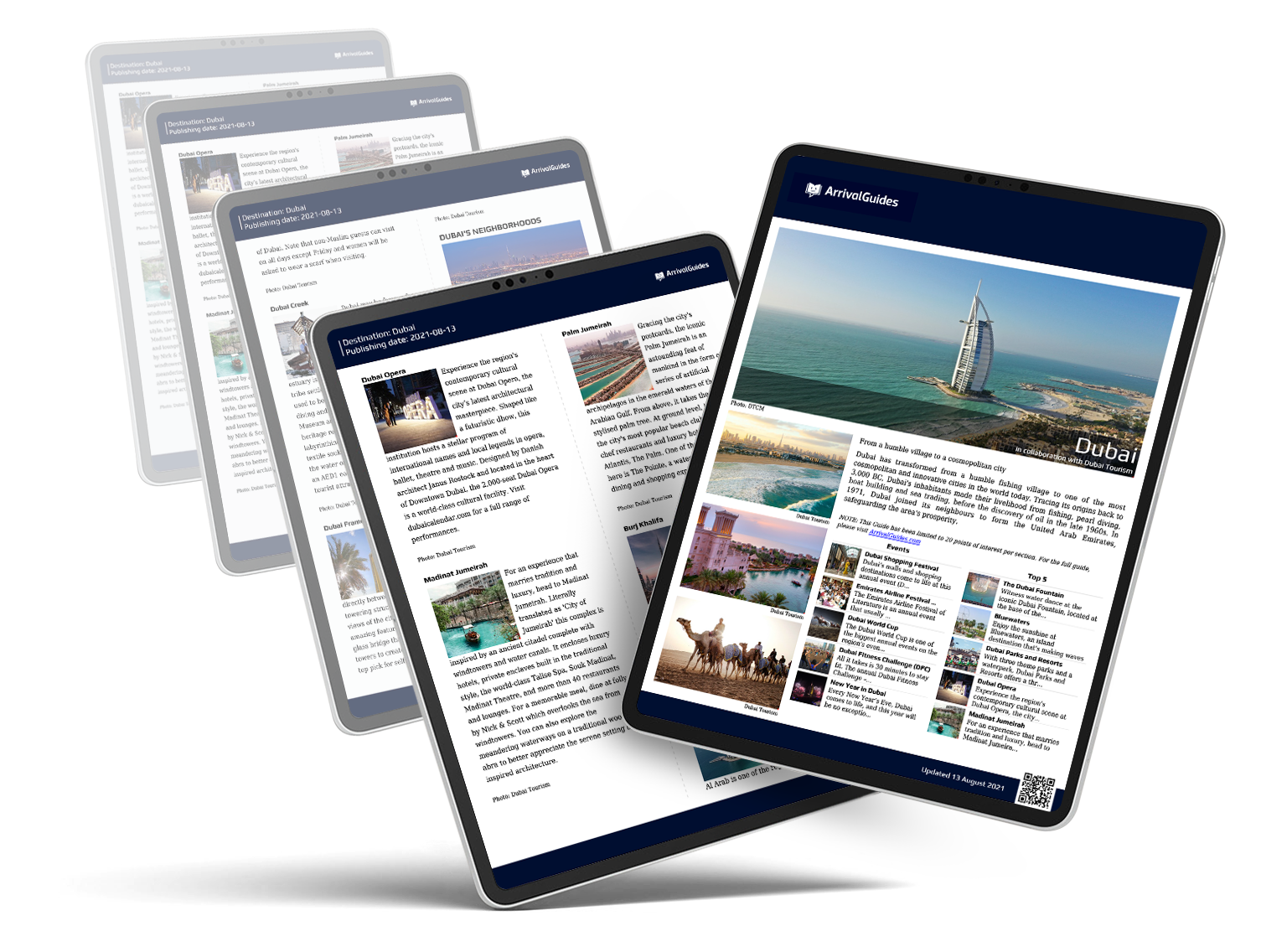
Our travel guides are free to read and explore online. If you want to get your own copy, the full travel guide for this destination is available to you offline* to bring along anywhere or print for your trip.
*this will be downloaded as a PDF.Price
€4,95
Passport/Visa
The guide was updated:Indonesia offers various ways for travellers to enter the country depending on their nationality, residency, and length of stay. The most common options are a visa exemption, a visa on arrival (VOA), and a consular visa. Each option has its own conditions and required documents.
Visa Exemption applies to nationals from select countries, such as Brunei, Cambodia, Colombia, East Timor, Hong Kong, Laos, Malaysia, Myanmar, the Philippines, Singapore, Suriname, Thailand, Vietnam, Brazil, and Turkey. These travellers can enter Indonesia for tourism without paying a visa fee, but the stay is limited to 30 days and cannot be extended. The following documents are required: a valid passport, a return or onward ticket, payment of the Bali tourist tax (if visiting Bali), and completion of the SATUSEHAT health declaration. Entry is allowed by air, land, and sea.
Visa on Arrival (VOA) is available to citizens of around 75 nationalities. It allows travellers to enter Indonesia for up to 30 days, with the possibility of extending the stay once. VOA can be obtained at the airport or applied for online prior to travel. It comes with a fee. Required documents include: the visa itself (VOA or eVOA), a valid passport, proof of departure (return or onward ticket), payment of the Bali tourist tax (if applicable), and the SATUSEHAT health declaration. This option also permits entry via air, land, or sea.
Tourist Visa (B211A) is needed for nationalities that are not eligible for visa exemption or VOA. It is a consular visa obtained either online or through an Indonesian embassy, and allows travellers to stay up to 60 days. Travellers must present a valid passport, a visa, a return or onward ticket, payment of the Bali tourist tax, and the SATUSEHAT health declaration. This option suits travellers who require a longer stay or come from countries not listed in the other categories.
For Indonesian nationals, travel is straightforward: only a valid passport and the SATUSEHAT health pass are required. For foreign residents of Indonesia, permanent residence proof must be shown along with the passport and health pass.
Travellers are encouraged to complete the SATUSEHAT form before departure to avoid delays upon arrival. If visiting Bali, make sure to pay the tourist tax online or through a registered provider. Although yellow fever vaccination isn’t commonly required, it may be requested if entering from a country listed as at-risk by the WHO.
Useful Information
Digital Travel Guide Download
Our travel guides are free to read and explore online. If you want to get your own copy, the full travel guide for this destination is available to you offline* to bring along anywhere or print for your trip.
*this will be downloaded as a PDF.Price
€4,95
Soekarno–Hatta International Airport (CGK) is Jakarta’s main gateway, located about 30 km northwest of the city centre. The journey typically takes between 45 minutes and 1.5 hours, depending on traffic. Travellers can reach the city via the Airport Rail Link, which connects directly to BNI City Station in central Jakarta, or by DAMRI airport buses serving major areas and hotels. Taxis and ride-hailing apps such as Grab and Gojek are also widely available from all terminals.
Read more
Passport/Visa
Indonesia offers various ways for travellers to enter the country depending on their nationality, residency, and length of stay. The most common options are a visa exemption, a visa on arrival (VOA), and a consular visa. Each option has its own conditions and required documents.
Visa Exemption applies to nationals from select countries, such as Brunei, Cambodia, Colombia, East Timor, Hong Kong, Laos, Malaysia, Myanmar, the Philippines, Singapore, Suriname, Thailand, Vietnam, Brazil, and Turkey. These travellers can enter Indonesia for tourism without paying a visa fee, but the stay is limited to 30 days and cannot be extended. The following documents are required: a valid passport, a return or onward ticket, payment of the Bali tourist tax (if visiting Bali), and completion of the SATUSEHAT health declaration. Entry is allowed by air, land, and sea.
Visa on Arrival (VOA) is available to citizens of around 75 nationalities. It allows travellers to enter Indonesia for up to 30 days, with the possibility of extending the stay once. VOA can be obtained at the airport or applied for online prior to travel. It comes with a fee. Required documents include: the visa itself (VOA or eVOA), a valid passport, proof of departure (return or onward ticket), payment of the Bali tourist tax (if applicable), and the SATUSEHAT health declaration. This option also permits entry via air, land, or sea.
Tourist Visa (B211A) is needed for nationalities that are not eligible for visa exemption or VOA. It is a consular visa obtained either online or through an Indonesian embassy, and allows travellers to stay up to 60 days. Travellers must present a valid passport, a visa, a return or onward ticket, payment of the Bali tourist tax, and the SATUSEHAT health declaration. This option suits travellers who require a longer stay or come from countries not listed in the other categories.
For Indonesian nationals, travel is straightforward: only a valid passport and the SATUSEHAT health pass are required. For foreign residents of Indonesia, permanent residence proof must be shown along with the passport and health pass.
Travellers are encouraged to complete the SATUSEHAT form before departure to avoid delays upon arrival. If visiting Bali, make sure to pay the tourist tax online or through a registered provider. Although yellow fever vaccination isn’t commonly required, it may be requested if entering from a country listed as at-risk by the WHO.
Read more

Taxi
Taxis are readily available in Jakarta, with the most reliable taxi companies including Silver Bird and Blue Bird. Blue Bird taxis are easily recognisable by their blue colour, while Silver Bird taxis are black and offer a more luxurious experience. While it's possible to hail taxis on the street, using a reputable company is recommended to avoid scams. Ride-hailing apps like Grab and Gojek are also widely used in Jakarta, offering both car and motorcycle options.
Read more
Public Transport
Jakarta’s public transport network offers several options for visitors. The TransJakarta BRT is a bus rapid transit system that runs on dedicated lanes, helping you avoid traffic. The MRT (Mass Rapid Transit) and LRT (Light Rail Transit) are rail systems connecting the city centre with southern districts, while the KRL Commuter Line links Jakarta with suburban areas, including attractions like Kota Tua (Old Town) and Monas.
Travellers can use the JakLingko card across buses, trains, and the MRT for convenience. Ride-hailing apps like Grab and Gojek provide flexible car and motorcycle options. Peak hours can still be busy, but these combined choices make exploring Jakarta manageable.
Read more
Pharmacy
Pharmacies in Jakarta are easy to find in major districts and malls across the city. Look for signs with the word 'Apotek'. Major chains like Kimia Farma, Guardian, Watsons, and Century are the most reliable, offering prescription and over-the-counter medications, vitamins, and basic health products.
Read more
Post
Post offices in Jakarta typically operate from 8am to 4pm, Monday through Friday, and from 8am to noon on Saturdays, offering a range of services including mail and parcel delivery and financial services such as money transfers and bill payments.
Read more
Telephone
Country code: +62
Area code: 21
Read more
Electricity
Indonesia operates on a 230V voltage and 50Hz frequency. The power sockets are Type C and Type F, which are the same types commonly used in most European countries.
Read more