Explore a world of possibilities.

Port Stephens

Port Stephens

Blessed with 26 white sandy beaches, a vast blue bay and many tranquil inlets, Port Stephens is an idyllic destination about 2.5 hours north of Sydney. With a marine park rich in diversity, the area is famous for its resident dolphins, crystal clear waters and towering sand dunes. Daily dolphin-watching cruises depart from Nelson Bay and the ocean is great for watching whales during their annual migration. Charming towns are framed by bushland, wetlands and volcanic peaks. Enjoy fresh seafood and local wines in delightful settings.
Read more
Lake Balaton

Lake Balaton

Hungary has no marine coastline, but it does have the largest freshwater body in Central Europe, Lake Balaton. The lake has been popular since the Magyar tribes first galloped into the Carpathian Basin in 896, and it shows no signs of losing its appeal. A collection of resort towns and an interesting bicycle route ring the 77 km long lake. Hévíz-Balaton Airport is 20 km from Keszthely at the southern end of the lake. From there, you can hire a car or take a bus and explore some of the resorts.
Read more
Autumn and winter colours
Le Cap d'Agde Méditerranée, France

Autumn and winter colours

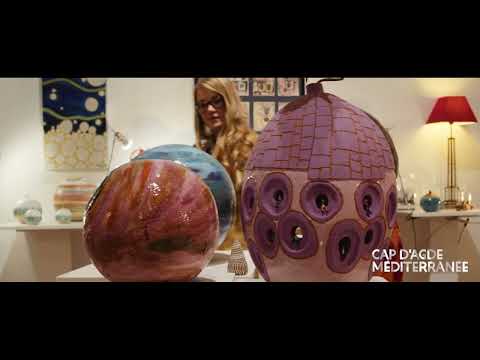
Discover the destination with all the gorgeous colours of autumn, it is also a place worth discovering.
Read more
Pristina

Pristina

Few places in Europe have remained off the beaten path as much as the Kosovar first city; fewer yet have been at the heart of a political dispute as agonising in recent history. Pristina, the capital of Kosovo, one of the world's youngest states, boasts a youthful populace to match, and exudes a lust for life that's virtually tangible. Still rough around the edges and with no tourist information offices in sight, Pristina remains uncharted territory, a state of affairs foreseen to change as the city attracts a growing number of visitors.
Read more
Wild Atlantic Way, Ireland

Wild Atlantic Way, Ireland

The Wild Atlantic Way is the world's longest and arguably most spectacular coastal driving route. Follow the rugged, winding coast line to discover otherworldly landscapes; coves and islands, beaches and bays, cliffs and villages. Get lost in the wilderness and raw beauty of this unique place. To make the most of your epic journey, follow our 30 point route beginning in the northernmost point of Ireland--Malin Head, Donegal--heading south through Mayo, Galway, Clare, and Kerry to Ireland's most southerly point: Mizen Head, Cork.
Read more
Karachi

Karachi

Karachi is Pakistan's largest city, located on the coast of the Arabian Sea. Explore historic landmarks like the Quaid-e-Azam's Mausoleum and Mohatta Palace, or unwind at Clifton and Manora Island beaches. Savour diverse cuisine at Burns Road and Do Darya, and discover unique finds at Zainab Market and Dolmen Mall. Karachi’s nightlife, cultural festivals and art galleries provide endless entertainment. Known as the City of Lights, Karachi dazzles with its unique charm and vibrant energy all year long.
Read more
Five Days in Dubai
Dubai, United Arab Emirates

Five Days in Dubai

The sun always shines in Dubai, ensuring endless fun on every holiday. Spend your days lounging at the beach, dining at celebrated restaurants, shopping at al fresco districts and immersing yourself in the city’s cultural best. Our itinerary presents thrills for all ages and settings that inspire.
Read more
Cartagena

Cartagena

Cartagena de Indias reigns as the crown jewel of Colombia’s Caribbean coast — not for checklist attractions, but for its sheer atmospheric magic. Within its 16th-century stone walls (built to repel pirates like Sir Francis Drake), the city unfurls as a living postcard: pastel-hued colonial buildings, salsa rhythms spilling onto cobbled streets, and horse-drawn carriages clattering past vibrant plazas. By day, the scent of fried plantains and coconut rice fills the air; by night, rooftop bars hum with rum cocktails and sea breezes.
Read more
Three Days in Dubai
Dubai, United Arab Emirates

Three Days in Dubai

Whether you’re new to Dubai or a seasoned expert, our city always has surprises in store. Explore sky-high landmarks, charming waterside spots and cultural gems aplenty. Or go off the beaten track to hike in Hatta’s mountains, camp under the stars and create memories to last a lifetime.
Read more
St. Peter’s Church
Riga, Latvia

St. Peter’s Church

St Peter's Church in Riga is known for its tall tower, which offers stunning views of the city, including the red roofs of Old Town, the modern part of Riga, Riga Bay, and the Daugava River with its large port. The church itself was originally built in 1209, but only a few walls and pillars remain from that time. The Gothic tower, which was over 130 meters tall, was completed in the late 15th century. However, it collapsed in 1666 and was rebuilt in the Baroque style in 1690–at the time, it was the tallest wooden structure in the world. In 1721, the tower was struck by lightning and burned down. It was later restored, but once again it burned down during World War II. Renovation of the tower began in 1967, and today, it stands at a height of 123.25 meters. Visitors can access the second gallery, which is 72 meters above the ground. In 1997, St Peter's Church was added to UNESCO's World Heritage list.
Read more
Red Crab Migration
Christmas Island, Australia

Red Crab Migration

Tens of millions of red land crabs live on Christmas Island. They are the Island's keystone species, because they play a vital role recycling nutrients and shaping and maintaining the structure of the rainforest. At the beginning of the wet season (usually in October/November), most adult Red Crabs suddenly begin their spectacular migration from the forest to the coast, to breed and release eggs into the sea. Breeding is usually synchronised island wide. The rains provide moist overcast conditions for crabs to make their long and difficult journey to the sea. The timing of the migration breeding sequence is also linked to the phases of the moon, so that eggs may be released by the female Red Crabs into the sea precisely at the turn of the high tide during the last quarter of the moon. It is thought that this occurs at this time because there is the least difference between high and low tides. The sea level at the base of the cliffs and on the beaches, where the females release their eggs, at this time varies the least for a longer period, and it is therefore safer for the females approaching the water's edge to release their eggs. Sometimes there are earlier and later migrations of smaller numbers of crabs, but all migrations retain this same lunar rhythm. The main migration commences on the plateau and can last up to 18 days. Masses of crabs gather into broad "streams" as they move toward the coast, climbing down high inland cliff faces, and over or around all obstacles in their way, following routes used year after year for both downward and return migrations. Movement peaks in the early morning and late afternoons when it is cooler and there is more shade. If caught in open areas, in unshaded heat, the crabs soon lose vital body moisture and die. The crabs will migrate to the coast, where the males will dig mating burrows and they will mate. After mating, the males will commence their return migration. The females will brood their eggs for 12-13 days before emerging from the burrows to commence spawning. The females will commence their return migration immediately after spawning. The eggs hatch into free swimming larvae immediately after they are dropped into the sea. The larvae grow through several stages in the ocean for over four weeks before emerging from the sea to become tiny crabs.
Read more