


Provided by:
Firefighter Montreal/Shutterstock
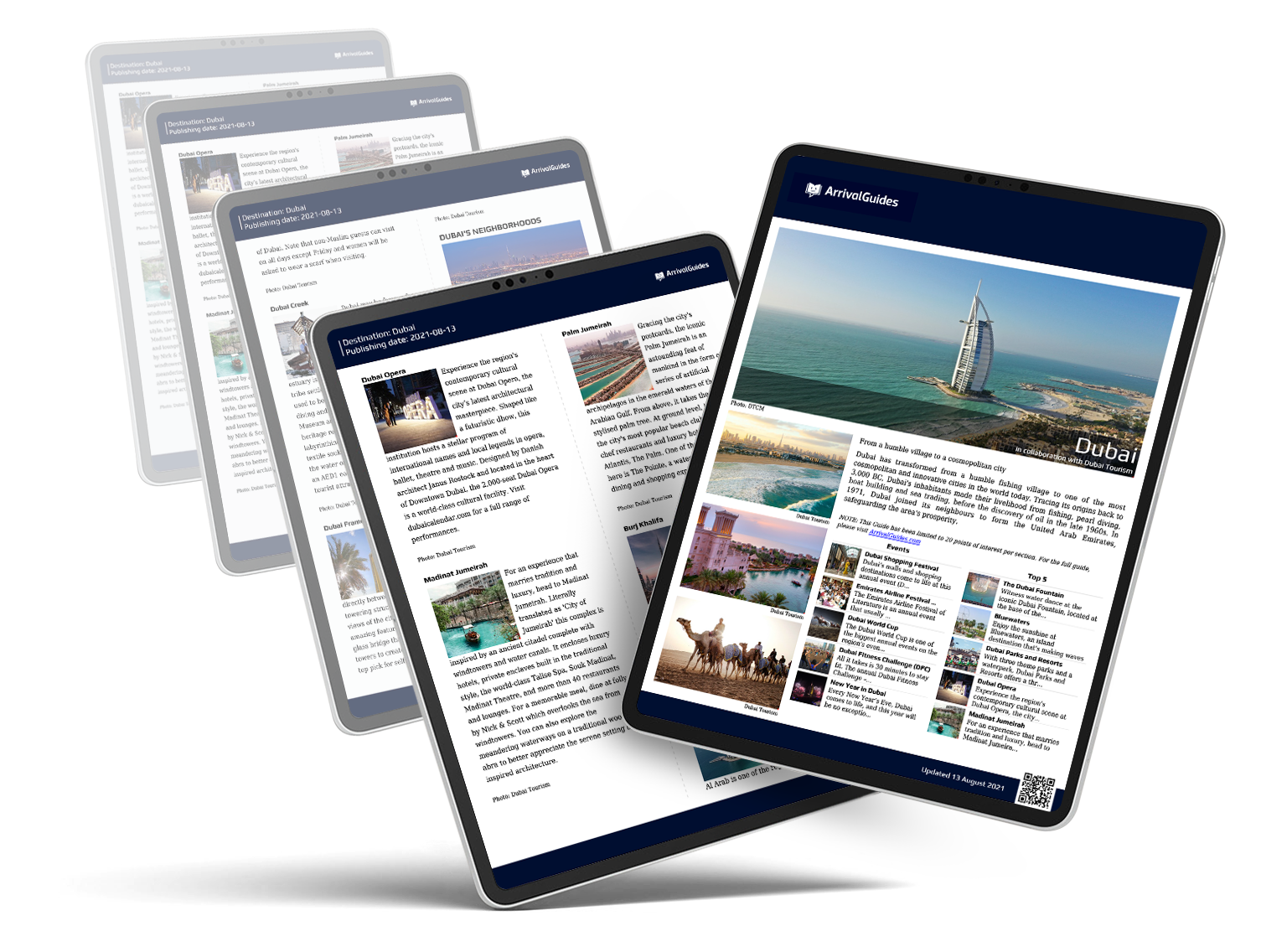
Our travel guides are free to read and explore online. If you want to get your own copy, the full travel guide for this destination is available to you offline* to bring along anywhere or print for your trip.
*this will be downloaded as a PDF.Price
€4,95
The City
The guide was updated:
Founded as a French colonial settlement in the 17th century, Montreal has grown into a city shaped by centuries of migration, trade, and cultural exchange. Downtown’s wide streets and modern towers sit alongside older neighbourhoods that still reflect the city’s European roots. From Little Italy to Chinatown, Montreal has long been defined by communities living side by side, each leaving a mark on the city’s character.
The cityscape mirrors this mix. Long shopping streets and residential neighbourhoods lead into clusters of glass and steel, while reminders of the past remain firmly in place. Often called the City of a Hundred Bell Towers, Montreal still has landmarks like Saint Joseph’s Oratory and the Basilique Notre-Dame anchoring its skyline and history.
After dark, the city takes on a different rhythm. Festivals, fireworks, late-night dining, and a packed cultural calendar keep streets busy well into the evening, making Montreal as engaging at night as it is during the day.
The cityscape mirrors this mix. Long shopping streets and residential neighbourhoods lead into clusters of glass and steel, while reminders of the past remain firmly in place. Often called the City of a Hundred Bell Towers, Montreal still has landmarks like Saint Joseph’s Oratory and the Basilique Notre-Dame anchoring its skyline and history.
After dark, the city takes on a different rhythm. Festivals, fireworks, late-night dining, and a packed cultural calendar keep streets busy well into the evening, making Montreal as engaging at night as it is during the day.