-
Provided by: Madsolar/shutterstock -
Provided by: Pask_Kim1379/shutterstock
Our travel guides are free to read and explore online. If you want to get your own copy, the full travel guide for this destination is available to you offline* to bring along anywhere or print for your trip.
*this will be downloaded as a PDF.Price
€4,95
Ueno
The guide was updated:The district of Ueno functions as a major transport hub and a concentrated centre for culture and commerce. Its core is Ueno Park, a spacious public ground that contains several major institutions. These include the Ueno Zoo, the Tokyo National Museum with its comprehensive Japanese collection, the National Museum of Nature and Science, and the National Museum of Western Art.
South of the station, the Ameya-Yokochō market street presents a different atmosphere. This crowded street with covered alleyways started as a post-war black market, and now features vendors selling seafood, clothing and spices.
Useful Information
- Address: Ueno, Taitō-ku, Tokyo
- Website: www.japan-guide.com/ad/kampai-in-ueno
Digital Travel Guide Download
Our travel guides are free to read and explore online. If you want to get your own copy, the full travel guide for this destination is available to you offline* to bring along anywhere or print for your trip.
*this will be downloaded as a PDF.Price
€4,95
This nationally recognised Shinto shrine is considered one of Japan’s primary symbols of the country’s major religion. Take in the huge 11-metre cypress tree torii (gate) before wandering peacefully along winding paths to the wonderful inner buildings.
Near the main complex, the modern Meiji Jingu Museum displays personal artefacts of the imperial couple, from manuscripts to garments. For a small fee, the Inner Garden (Jingu Naien) reveals a landscape of seasonal beauty, most famous for its June iris blooms.
Bookable
Read more
Mount Fuji & Hakone 1-Day
Escape the hustle and bustle of Tokyo and discover Japan's natural wonders around World Heritage Mount Fuji and Hakone in just one day. Visit the 5th Station of Mt Fuji, explore the Ninja House, and relax in a Japanese Garden. Later, experience the vibrant energy of Owakudani, the Great Boiling Valley, go for a landscape ride on a sky gondola, then feel the breeze from a Lake Ashi cruise.
Bookable
Read more
Senso-ji
The Senso-ji temple is Tokyo's oldest-established Buddhist temple. Though a major tourist attraction, this is primarily a traditional, local site where worshippers cast coins, clap ceremoniously and bow in respect to an image of Kannon, the Goddess of Compassion.
Bookable
Read more
Kabuki-za
The stylised Kabuki-za theatre performance consists of elaborate choreography and makeup combined with colourful traditional nagauta music. In the 17th century, female kabuki performers were banned; men now play the roles of both genders most convincingly.
Read more
Shibuya Crossing
Crossing the streets in front of the Shibuya Station is an experience on its own. Approximately 3,000 people cross the road at a time. Many street artists gather in this area to show their performances. You can also find the statue of the famous and loyal dog Hachikō between the station and the intersection.
The crossing is most electrifying after dark, particularly on Friday and Saturday evenings, when neon signs and enormous screens bathe the crowds in a kinetic glow. For the best perspective, head to Mag’s Park, the rooftop observatory atop the Shibuya 109-2 department store, which offers a panoramic view of the human tide below.
Bookable
Read more
Go-Kart Tour
Experience Tokyo in a fun and unique way on a street go-kart tour dressed in costumes from your favourite game or anime character. Zip past iconic landmarks such as the Rainbow Bridge and Tokyo Tower, and enjoy stunning views of Tokyo Bay.
Bookable
Read more
Sumo Wrestling
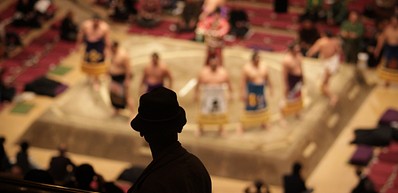
Sumo wrestling is possibly Japan’s most recognised cultural event. Dating back 2,000 years, Sumo is the country’s national sport, and as such combines religious, athletic, and traditional features. There are several places to watch, check the tour schedule on their website to find out which suits you best. There is also a Sumo museum.
Bookable
Read more
Ryogoku
Ryōgoku is the spiritual home of sumo, Japan's national sport, where it's common to see wrestlers in traditional dress milling about the iconic Kokugikan stadium. The district's identity is deeply rooted in the Edo period (1603–1868), a legacy preserved in its exceptional museums. The Tokyo Metropolitan Edo-Tokyo Museum (reopening in spring 2026) offers a vast, immersive journey through the city's history, while the sleek Sumida Hokusai Museum celebrates the life and iconic woodblock prints of the local ukiyo-e master.
Beyond the museums, the area is saturated with sumo culture. You can taste Chankonabe (the wrestlers' hearty stew) in local restaurants and may glimpse trainees from nearby stables. With its historic Ekoin Temple and traditional craft workshops, Ryōgoku offers a compelling, culturally rich escape into old Tokyo.
Read more
Tokyo National Museum
For a taste of Japanese history, this is where you’ll find Japan’s largest collection of Asian artefacts. The main gallery, Honkan, displays an impressive assortment of swords, masks, wood-block prints and kimonos while other must-see features include the 7th-century bronze-seated Buddhas in the Horyu-ji Homotusukan.
Read more
Mori Art Museum
At the top of Mori Tower in the vast Roppongi Hills, this one of the major contemporary art museums in Tokyo combines breathtaking views with fresh artistic talent. The museum has held exhibitions featuring a number of big-name artists from Japan and beyond, including Yayoi Kusama, Ai Weiwei, Anish Kapoor and Jeff Koons. Of particular note are the visual projections allowing guests to traverse through virtual imagery and environments. Also includes The Sun cafe, The Moon restaurant, a gift shop and a panoramic observation deck.
Read more
Shinjuku Gyoen National Garden
Shinjuku Gyoen offers a serene escape from Tokyo’s skyscraper district, blending traditional Japanese landscapes with elegant French formal gardens and expansive English lawns. Originally an imperial retreat (1906), it reopened to the public in 1949 and remains a favourite for picnics and cherry-blossom viewing. Don’t miss the sleek greenhouse brimming with tropical plants, the historic Taiwanese pavilion overlooking reflective ponds, or Momijiyama’s fiery autumn maples. With over a dozen cherry varieties, the bloom season stretches unusually long.
Read more
Tokyo Great Cycling Tour
To discover the city in a different way, a bike tour might be exactly what you're looking for. Tokyo Great Cycling Tour is a guided tour which will take you to the major tourist spots in Tokyo. You’ll pass by the Tsukiji Jogai Market, Zojoji Temple, Roppongi District, Aoyama Cemetery, Meiji Jingu and Imperial Palace.
Bookable
Read more
Tokyo Disneyland
This amazing fantasyland also exists in Tokyo; a paradise for young and old. Tokyo Disneyland offers seven themed lands like the Adventureland where you can enjoy a jungle cruise or why not explore the Westernland and go on a mine train roller coaster? There is also an area called Fantasyland where you can wander around Prince Charming and Cinderella's castle.
Additionally, there is Tokyo DisneySea which is located in Tokyo Disney Resort. It also provides seven themed ports with lots of fun for all ages.
Bookable
Read more
National Museum of Nature & Science
The National Museum of Nature and Science offers a comprehensive journey through Japan’s natural history and scientific development. Its collections span from pre-Meiji scientific instruments to modern technology, including a real rocket launcher and a digital seismograph tracking earthquakes in real time.
The museum is famous for its lifelike dinosaur exhibitions, a major draw for younger visitors, and houses the taxidermied figures of the loyal dog Hachikō and the Antarctic sled dogs Taro and Jiro. The Japan Gallery explores the archipelago's diverse ecosystems, featuring wildlife from Hokkaidō bears to Okinawan giant beetles. Other notable exhibits include an Edo-period mummy and an immersive 360-degree theatre.
Read more
Kabukicho
Shinjuku's Kabukicho red-light district transforms after dark into a spectacle of neon-lit alleyways. The experience is defined by its visual energy, from the looming Godzilla head to the blinking signs of robot-themed restaurants. While not officially part of the district, the nearby lanes of Golden Gai and Omoide Yokocho offer a contrasting, intimate atmosphere with their tiny, traditional bars and eateries.
A relatively new addition to the neighbourhood, Thermae-Yu is a six-storey onsen. The complex uses natural hot spring water sourced daily from Shizuoka. With facilities open for 22 hours every day, it functions as a popular overnight refuge for those who have missed the last train, offering a place to rest until the city stirs again at dawn.
Read more
Rainbow Bridge
The Rainbow Bridge is more than a transport link; it's a defining feature of Tokyo Bay's skyline, connecting the mainland to the futuristic Odaiba district. Its 798-metre span includes dedicated pedestrian walkways on both its north and south sides. You can cross the bridge on foot in 20–30 minutes with uninterrupted views. The southern side provides the classic panorama of Odaiba's skyline, while the northern side frames Tokyo Tower against the city.
While officially named the Tokyo Bay Connector Bridge, it earns its popular name from the colourful illumination of its white towers at night, creating a romantic silhouette. Note that the walkways close at 9pm in summer and 6pm in winter. For the best photographs, time your crossing for sunset when the city lights begin to sparkle.
Read more
Ueno Zoo
Ueno Zoo is the oldest zoo in Japan. It was founded in 1882, and today it holds 3,000 animals of more than 400 different species and provides all visitors a learning experience. In the East area, you will find pandas, native animals of Japan, mammals and ocean creatures. In the West area, you will find African animals, reptiles, small mammals, and a children's zoo.
Read more
Shimokitazawa
Shimokitazawa, lovingly abbreviated to Shimokita, is a celebrated bohemian enclave just a few stops from Shibuya. It offers a distinct, relaxed counterpoint to Tokyo's central intensity. The labyrinth of narrow, pedestrian-friendly lanes is a haven for vintage clothing stores, independent boutiques and intimate live music venues. While recent developments like the Mikan Shimokita and Reload complexes have modernised the area around the station, the district's soul remains in its backstreets, packed with quirky cafés, second-hand bookshops and eclectic bars.
The neighbourhood is roughly divided into two distinct vibes. The south side buzzes with restaurants and nightlife, while the north offers a more laid-back atmosphere for browsing and coffee. Despite ongoing gentrification, Shimokitazawa retains its creative, slightly scruffy spirit, making it the perfect place to spend an afternoon hunting for vintage treasures before settling into a cosy bar for the evening.
Read more
Nakano
Nakano provides a distinct experience for visitors interested in Tokyo’s specialist subcultures. Less central than Akihabara, this neighbourhood draws a more knowing crowd of enthusiasts. The district serves as a central point for otaku culture, a Japanese term for people with dedicated, often deep interests in areas like anime, manga and video games. Its primary attraction is Nakano Broadway, a multi-level mall from the 1960s that houses a dense collection of specialist shops, including the flagship Mandarake complex, selling vintage toys, comics and collectables.
Access to the mall is through the Nakano Sun Mall, a covered shotengai (shopping arcade) filled with everyday shops and eateries. In recent years, Nakano Broadway has also developed a parallel reputation for its concentration of dealers in high-end vintage watches.
Read more
Tokyo Skytree
The area surrounding Tokyo Skytree represents a modern counterpart to the traditional atmosphere of nearby Asakusa. While the 634-metre tower itself draws visitors with its two observation decks, the district at its base functions as a comprehensive destination. The Tokyo Solamachi complex houses over 300 shops and restaurants, the Sumida Aquarium, and a planetarium.
This riverside part of Sumida Ward has been reshaped by the tower's development, creating a commercial hub with plazas and green spaces that offer dramatic perspectives of the structure itself.
Read more
Ueno
The district of Ueno functions as a major transport hub and a concentrated centre for culture and commerce. Its core is Ueno Park, a spacious public ground that contains several major institutions. These include the Ueno Zoo, the Tokyo National Museum with its comprehensive Japanese collection, the National Museum of Nature and Science, and the National Museum of Western Art.
South of the station, the Ameya-Yokochō market street presents a different atmosphere. This crowded street with covered alleyways started as a post-war black market, and now features vendors selling seafood, clothing and spices.
Read more
Japanese Cooking Classes
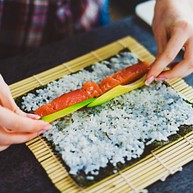
If you really want to dive into the Japanese culture, you can't miss out on getting to know local cuisine and culinary traditions that go back centuries. Classes focusing on making sushi are the most popular ones, but you should consider learning to make a proper bowl of umami-rich ramen, crunchy gyozas, or a variety of healthy side dishes.
Bookable
Read more
Yebisu Beer Museum
In this museum, you'll learn the history of the Yebisu beer, first produced in 1890. Partake in a guided tour or stroll through the museum on your own and end the tour in the tasting corner, where you can purchase 6 different kinds of brews, produced in the Yebisu halls.
Read more