Explore a world of possibilities.

Cluj-Napoca

Cluj-Napoca

Cluj-Napoca, often referred to as the unofficial capital of Transylvania, is a vibrant and lively city with a rich cultural history. Despite its ominous administrative status, the city is far from grim and has a well-deserved reputation as a party town. Named the European Youth Capital in 2015, Cluj-Napoca is home to an estimated 100,000 students, who make up about a fifth of the population. This youthful energy, combined with the city's cultural renaissance, makes Cluj-Napoca a must-visit destination for anyone interested in experiencing the vibrant arts and entertainment scene.
Read more
Blue Mountains

Blue Mountains

The Blue Mountains get their name from the natural blue haze created by vast eucalypt forests in this World Heritage area. Tiny droplets of oil released from the trees mix with water vapour and sunlight to produce the distinctive colour. Enjoy crisp mountain air, beautiful panoramas, charming villages, one of the world’s oldest cave systems, and exhilarating adventures in the Blue Mountains, near Sydney. You can even see dinosaur trees in the Blue Mountains Botanic Garden, Mount Tomah. This is a great Australian escape and a natural wonder of the world.
Read more
Ghent

Ghent

Ghent is a compact, authentic city where the past and present co-exist in perfect balance. Walking through the city is like travelling through time: you turn the corner and just like that, you go from the fourteenth century to the twenty-first. In Ghent pounds the young heart of a cultural city filled with music, theatre, film and visual arts. Because of its central location in Flanders, Ghent is an ideal operating base to visit the Flemish Art Cities. Ghent is ready to welcome you with open arms!
Read more
Autumn and winter colours
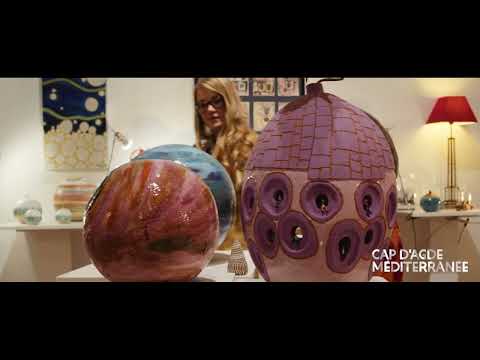
Le Cap d'Agde Méditerranée, France

Autumn and winter colours

Discover the destination with all the gorgeous colours of autumn, it is also a place worth discovering.
Read more
Santiago

Santiago

In the heart of Chile, between Argentina and the South Pacific Ocean, lies the country's capital Santiago. Over a quarter of Chile's population call 'The City of the Island Hills' their home. Located in a valley consisting of broad and fertile lands, surrounded by vineyards and mountains, Santiago offers a cosmopolitan and energetic city life that is inseparably attached to its beautiful natural setting. Immerse yourself in the city's cultural and musical energy that is reflected in colourful neighbourhoods and a reinvigorated art scene.
Read more
Bournemouth

Bournemouth

With 11 kilometres of sandy white beaches, Bournemouth is one of the country’s premier resort towns. Located on the south coast of England, it offers visitors the best in water sports, yachting, beach life, nightlife and shopping. Bournemouth is renowned for its university, specialising in the fields of journalism, archaeology and health. Discover the beauty of this English city and join the countless cultural events in spring and summer, including the long-standing Arts by the Sea Festival.
Read more
Five Days in Dubai
Dubai, United Arab Emirates

Five Days in Dubai

The sun always shines in Dubai, ensuring endless fun on every holiday. Spend your days lounging at the beach, dining at celebrated restaurants, shopping at al fresco districts and immersing yourself in the city’s cultural best. Our itinerary presents thrills for all ages and settings that inspire.
Read more
Three Days in Dubai
Dubai, United Arab Emirates

Three Days in Dubai

Whether you’re new to Dubai or a seasoned expert, our city always has surprises in store. Explore sky-high landmarks, charming waterside spots and cultural gems aplenty. Or go off the beaten track to hike in Hatta’s mountains, camp under the stars and create memories to last a lifetime.
Read more
Jeker Quarter
Maastricht, Netherlands

Jeker Quarter

Those who live and work here say that you don’t really need to explain where the Jeker quarter is: Once you’re there, you’ll know. This is where the locals stroll the streets at their leisure, students read in the park, and you can spend a whole Sunday on a café terrace, a wisp of jazz music in the air in the background, and never get bored. The Jeker quarter is nestled between the old city walls and centuries-old houses, bordered by the green of the city park. Although people have lived here for centuries, no one has ever explored it all. Enterprise is deeply rooted in the genes of this community: A history full of crafts and trades has left its marks, and forged the unique, authentic, innovative and creative atmosphere you feel here today. And right through the middle of it, that impudent little river, the Jeker, flows brazenly on. The quaint streets, stately homes, and idyllic parks have everything to make history come alive, while the rich student life, mix of young and old, culinary highlights, and abundant art and culture pull you back to the present.
Read more
History on the Graslei and Korenlei
Ghent, Belgium

History on the Graslei and Korenlei

Ships have been docking here since the 11th century and Ghent wouldn’t have it any other way. It is like the song of the Lorelei. The beauty of the Graslei in Ghent brings everyone and everything to a standstill. This is the place where beautiful façades are reflected in the River Lys. Tourists and residents alike relax on either side of the water, whether dangling their legs over the quay, or sitting comfortably at a café terrace. Lovely Grasbrug This bridge is positively poetic. And it’s every Ghent native’s pride. On your visit to Ghent, it would be a sin to miss this little bridge just around the corner from the Korenmarkt. Cross the river at the Grasbrug and soak in the scenery. There are still boats moored at the quays today. Even better, nowadays you can take a boat ride yourself! There’s nothing that will immerse you more in the history of Ghent. Façades on the Graslei The houses by the water live and breathe history. The Cooremetershuys is now an accessory store. In the Middle Ages, however, the official corn measurer presided over the grain trade there. Have a good look at the completely restored façade of the Guild House of the Free Sailors as well. A lot of money has been invested in this building over the centuries, and it shows! The stately stepped gable from the old corn store has been watching over the town since the 13th century. The corn store—also known as ’t spijker—has been redefined. It’s come a long way from those old sacks of grain. Of course you don’t have to push the boat out quite that far. You can also try a cosy brasserie on the Graslei or Korenlei. Or why not just buy finger food and sit down on the quayside! Because sometimes, appreciating the little things is the most romantic. Aperitif in the sun Tempted by all those café terraces? There is nothing more blissful than enjoying an aperitif—or two—by the waterside. When the sun is shining, this is a delightful spot to hang out ensconced by beautiful old buildings. Enjoying the first warmth of a spring day with a chilled white wine, putting the world to rights…but anyway, we digress.
Read more
Ghent Belfry, world heritage
Ghent, Belgium

Ghent Belfry, world heritage

Look up at the magical city skyline for a moment during your weekend trip in Ghent: you can’t miss it. The Belfry is the middle tower in the famous row of three, between St Bavo’s Cathedral and St Nicholas’ Church. A fiery dragon, the proud symbol and mascot of Ghent, guards the historic heart of the city. The Ghent Belfry symbolises the city’s prosperity and independence. The Cloth Hall, built onto the Belfry, was completed in 1907. The flamboyant Brabant Gothic style of the Cloth Hall is an ode to the industry to which Ghent owes so much. On the corner of the Cloth Hall is an old jailer’s house. The Ghent Belfry, a recognised UNESCO World Heritage, is well worth a visit. In 1402, it was the place where city privileges were kept: in a chest, locked up in the Belfry safe. The dragon, which has been up on the tower since 1377, kept an eye on the city as well as being the symbolic guardian of the belfry. The Belfry also proudly carried the alarm bell, the ‘Great Triumphant’. Today you will find this bell, nicknamed ‘Roland’ by the people of Ghent, not far from the Belfort on Emile Braunplein. Until 1442, St Nicholas’ Church was the main watchtower. In 1442, the watchmen in the tower moved across to the newly completed Belfry. Along with the bell ringers, these watchmen, or the corps of ‘men who guard the city’, served until 1869. Fire was a particular danger in Ghent. The Belfry tower is an absolute must-see! Climb the stairs, listen to the chiming sound of the carillon and enjoy the view of the vibrant city of Ghent. There is a lift from the first floor. The stunning view over Ghent is bound to enchant you. However, the Belfry is not accessible to visitors with reduced mobility. The Mammelokker, a legend behind bars In 1741, a building was erected between the Belfry and the Cloth Hall, which served as the entrance to the city jail. You will see a relief sculpture above the entrance. The sculpture tells an old Roman legend of a man, Cimon, who was sentenced to death by starvation. He survived his sentence because his daughter visited every day and breastfed him. ‘Mamme’ means ‘breast’ and ‘lokken’ means ‘suck’ in an old Ghent dialect.
Read more