Explore a world of possibilities.

Olbia

Olbia

Olbia is the gateway to the pearly white beaches of Sardinia's northeast coast and the sparkling Costa Smeralda. This is where jet-setters, film stars and the ‘glitterati’ arrive to indulge in 'la dolce vita' Sardinian-style. With a Greek name meaning ‘happy’, Olbia used to be a little fishing village but has now grown to become Sardinia’s busiest ferry port, complete with an international airport and tourist amenities. The countryside is cloaked in aromatic wild herbs, the macchia, and the surrounding sea glows in every hue of electric blue, in a little known and exclusive place waiting to be discovered.
Read more
Turin Ski Region

Turin Ski Region

“El diau, el diau!” “The devil! The devil!” It was in 1897 when mountain people from Sauze d’Oulx witnessed a red-faced man with a long white beard descending from the slopes, with long wooden skis attached to his feet. He was a Swiss engineer, Adolf Kind, and wooden skis were then first seen in Italy. Today there are more than a hundred ski-lifts and 1,500 km of slopes for all levels – as well as alpine skiing, sledges and huskies, telemark skiing and snowboarding.
Read more
Autumn and winter colours
Le Cap d'Agde Méditerranée, France

Autumn and winter colours

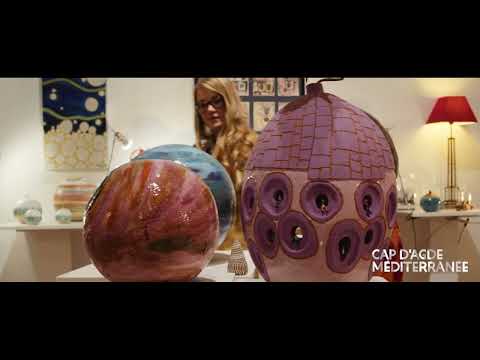
Discover the destination with all the gorgeous colours of autumn, it is also a place worth discovering.
Read more
Hamburg

Hamburg

The Elbe River, lakes and canals, the historic Town Hall, the UNESCO World Heritage Site Speicherstadt and Kontorhaus District with Chilehaus, the nightlife on the famous Reeperbahn and the traditional Hamburg fish market shape the image of Hamburg, Germany’s green city on the waterfront. The HafenCity offers modern architecture and the new landmark, the concert hall Elbphilharmonie. In Hamburg — Germany's second biggest city — prestige, elegance and creativity are combined to create an edgy, modern vibe.
Read more
Five Days in Dubai
Dubai, United Arab Emirates

Five Days in Dubai

The sun always shines in Dubai, ensuring endless fun on every holiday. Spend your days lounging at the beach, dining at celebrated restaurants, shopping at al fresco districts and immersing yourself in the city’s cultural best. Our itinerary presents thrills for all ages and settings that inspire.
Read more
Girona

Girona

Catalonia's second city is many things: medieval stronghold, university city, party town, and modern urban centre. The Old Quarter, with its majestic cathedral, winding alleys and ancient city walls bring the Middle Ages to life, while the modern neighbourhoods across the River Onyar showcase Girona's cosmopolitan side with chic restaurants and cafes, superb shopping and vibrant nightlife. It is no wonder that for years running, Girona has been voted the best place to live in Spain.
Read more
Three Days in Dubai
Dubai, United Arab Emirates

Three Days in Dubai

Whether you’re new to Dubai or a seasoned expert, our city always has surprises in store. Explore sky-high landmarks, charming waterside spots and cultural gems aplenty. Or go off the beaten track to hike in Hatta’s mountains, camp under the stars and create memories to last a lifetime.
Read more
Zemun
Belgrade, Serbia

Zemun

Once a separate city, Zemun is now a renowned part of Belgrade, famous for its river taverns, unique atmosphere, and small restaurants specialising in fresh fish from the Danube. The main street of Zemun is home to the Homeland Museum and the Madlenianum Opera and Theatre. Along the Danube, Zemunski kej is a kilometre-long promenade featuring barge-cafés, an amusement park. The former largest hotel in Belgrade, Hotel Jugoslavija, now hosts the Grand Casino. At night, the barge-cafés become the epicentre of nightlife, staying open until dawn. Gardoš Tower, also known as Millennium Tower, stands as Zemun's most iconic symbol, offering panoramic views of Belgrade and a tranquil escape from urban noise. The neighbourhood has retained its authentic charm, with narrow, mostly cobbled streets and individual residential houses.
Read more
Belgrade Fortress
Belgrade, Serbia

Belgrade Fortress

Humans have inhabited the ridge over the confluence of the Sava and Danube for over two millennia. The core of today’s capital city is the Belgrade Fortress and the Kalemegdan Park. They form a unique spatial entity with clearly visible remains of the Fortress divided into Upper and Lower Town, with two distinct styles. Elements of mediaeval architecture combine with dominant baroque solutions, typical for the 18th century. The Kalemegdan Park, split in two as the Great and Little Parks, developed in the area that once was the town field. The fortress and the park together represent a cultural monument of exceptional importance, the area where various sport, cultural and arts events take place.
Read more