Hangzhou - Do & See
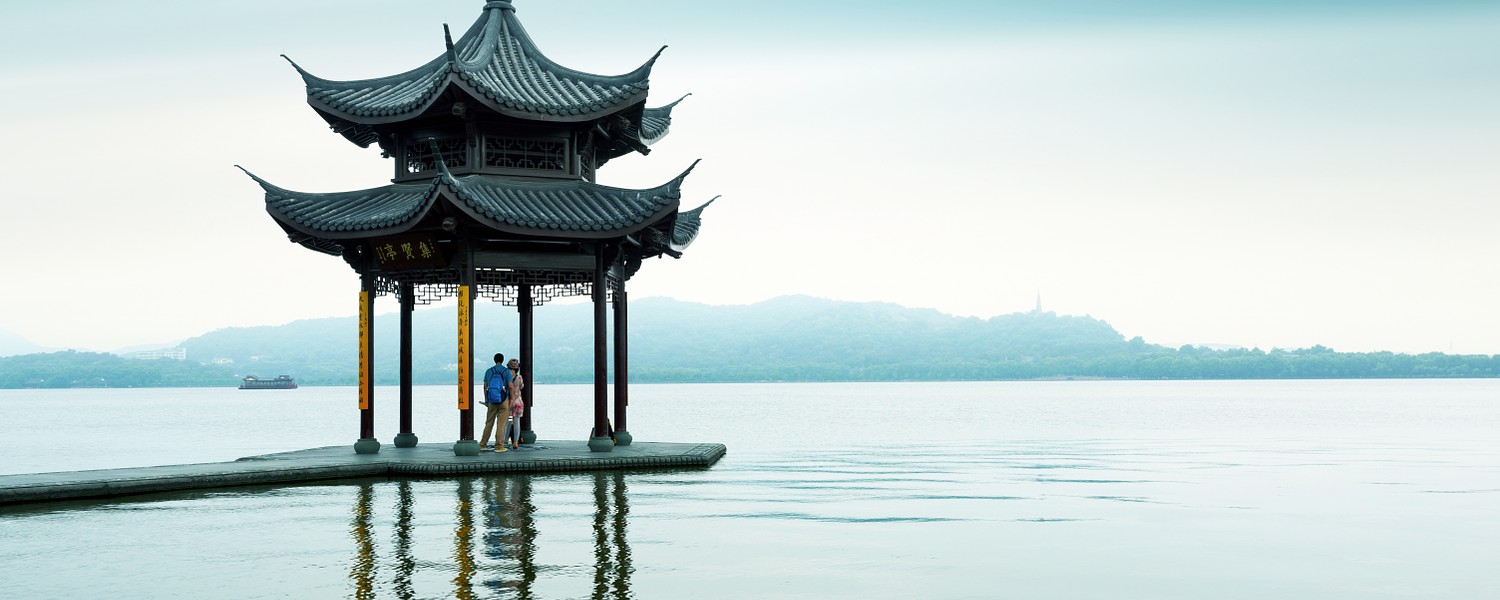
West Lake
The Chinese are so mesmerized by this body of water that every scenic spot has a poetic name and a tale associated with it. Any local can point the visitor to the best spot to enjoy the dawn or the setting sun. The lake also takes on a different look each season and the best way to appreciate it in its splendour is to rent a bicycle and take a ride around.
Leifeng Pagoda
This 1 000 year old pagoda has just recently been restored and it continues to capture the imagination of the Chinese for the story behind it - A snake spirit transformed into a beautiful woman who was imprisoned under the pagoda by an evil monk to keep her away from the man she loved. She was eventually released and this fable is retold on a wood carving on the third floor. The top of the five-storey pagoda is accessible by lifts and the view over the West Lake from here is amazing.
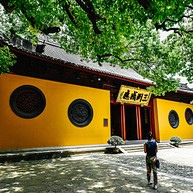
Evening Bell Ringing At The Nanping Hill (Jingci Temple)
This is a favourite among east-Asian tourists. In old times, the temple bell resounded throughout Nanping Hill every day, heralding people to pray for good fortune at Jingci Temple. Gradually its fame spread as far as to Japan. Emperor Kangxi once said that the temple rouses one into deep thoughtfulness and today the monks of Jingci Temple still adhere to their daily sutras-chanting and meditation.
Song Dynasty Village
Step back 900 years in time for a glimpse of life in Hangzhou during China’s Song dynasty. This is one of China’s largest dynastic theme parks, replicating the architecture and street scenes of that era. The entrance includes an evening song-and-dance show during which the performers are dressed in elaborate period costumes.
Pagoda Of Six Harmonies
Pagoda of Six Harmonies stands on the bank of Qiantang River, just like a responsible general safeguarding the turbulent river. On top of this pagoda waits a magnificent view of the Qianjiang River Bridge, the first modern steel-structured bridge with combined railway and road functions, designed and constructed independently by China. The chief designer, Mr Mao Yisheng, is known as the father of Chinese modern bridges.
Wu Zhen
About 80 km from Hangzhou city and just an easy hour bus ride away, Wu Zhen is a town where time passes without notice.
More and more tourists have discovered the time-worn cobbled stone streets, horse-head-shaped walls, wooden doors and long, narrow alleys of Wu Zhen. Still the life of the locals seem undisturbed. They still keep to their traditional customs, like drinking Sanbai Wine, making Maiya Sugar and sipping morning tea until 09:30, the same leisurely and pleasing way their great grandfathers did. A night tour begins at 17:00.