
The CityGuide was updated: 2 במרץ 2026
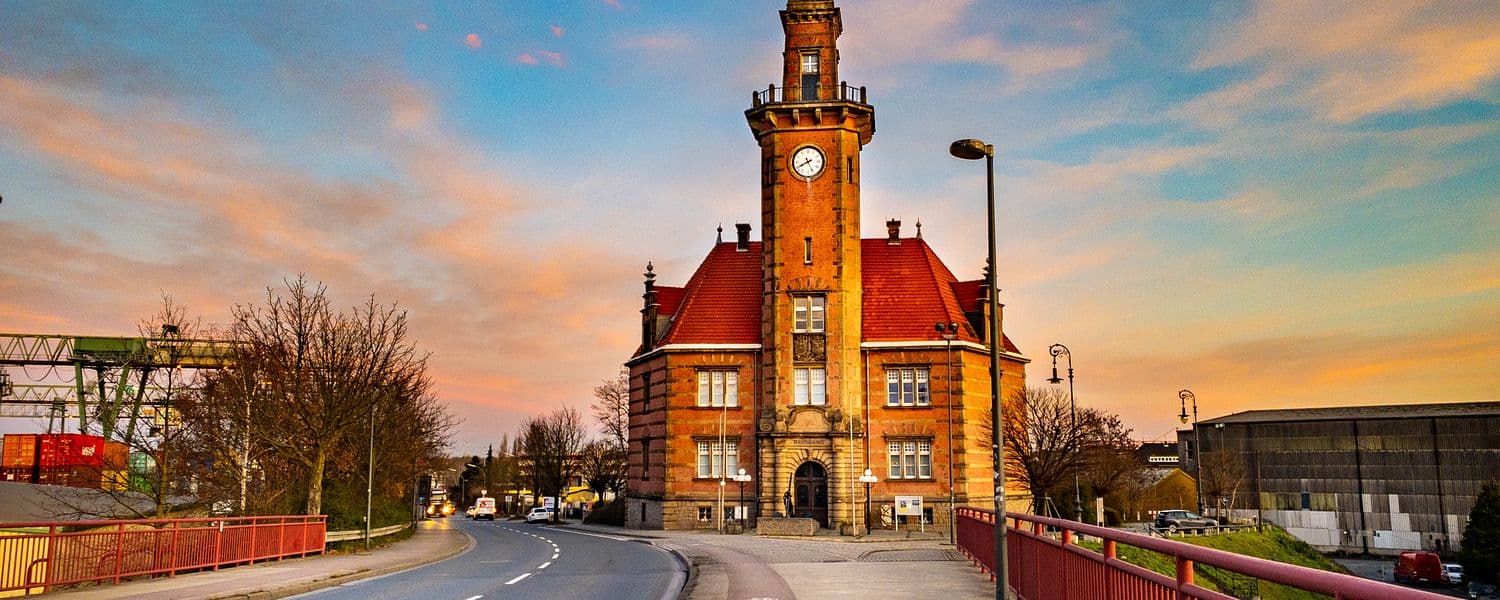
In the 19th century Dortmund was a smoky, sweaty and extremely prosperous city. The industrial revolution bought mines, mills and manufacturing, as well as jobs by the thousands. Within a century, the population grew from a paltry 4,000 to a staggering 140,000, making Dortmund the largest city in the Ruhr region. The Second World War devastated much of the city — around 70 percent of the buildings were flattened — and the 1950s saw an intense period of rebuilding.
Much of what you see in Dortmund today was built in the last 50 years. The plants, mines and steel plants have turned into funky museums, while Dortmund’s citizens work in the city’s burgeoning IT, insurance and services industries. As for leisure time, Germans flock to Dortmund for the excellent shopping and the city has good restaurants, bars and theatres; cabaret being a particular speciality, including a superb purpose-built concert hall.