Our travel guides are free to read and explore online. If you want to get your own copy, the full travel guide for this destination is available to you offline* to bring along anywhere or print for your trip.
In 1831, Charles Darwin sailed to South America aboard the H.M.S. Beagle. On the return voyage across the Pacific, the vessel stopped on a small group of islands far off the Ecuadorian coast, changing the course of human scientific endeavour and self-understanding forever. Fascinated by the unique wildlife on the islands, Darwin collected biological specimens and studied them over the next 30 years. His findings led to the formulation of the scientific theory of evolution by natural selection. This small group of islands and their one-of-a-kind wildlife are to thank for one of humanity's most remarkable discoveries. And today, almost 200 years later, they remain a source of endless fascination and a favourite travel destination for scientists, nature and wildlife enthusiasts, scuba divers, and anyone interested in the wonders of the natural world.
Do & See
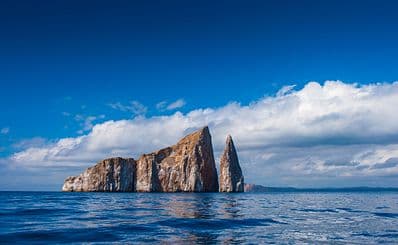
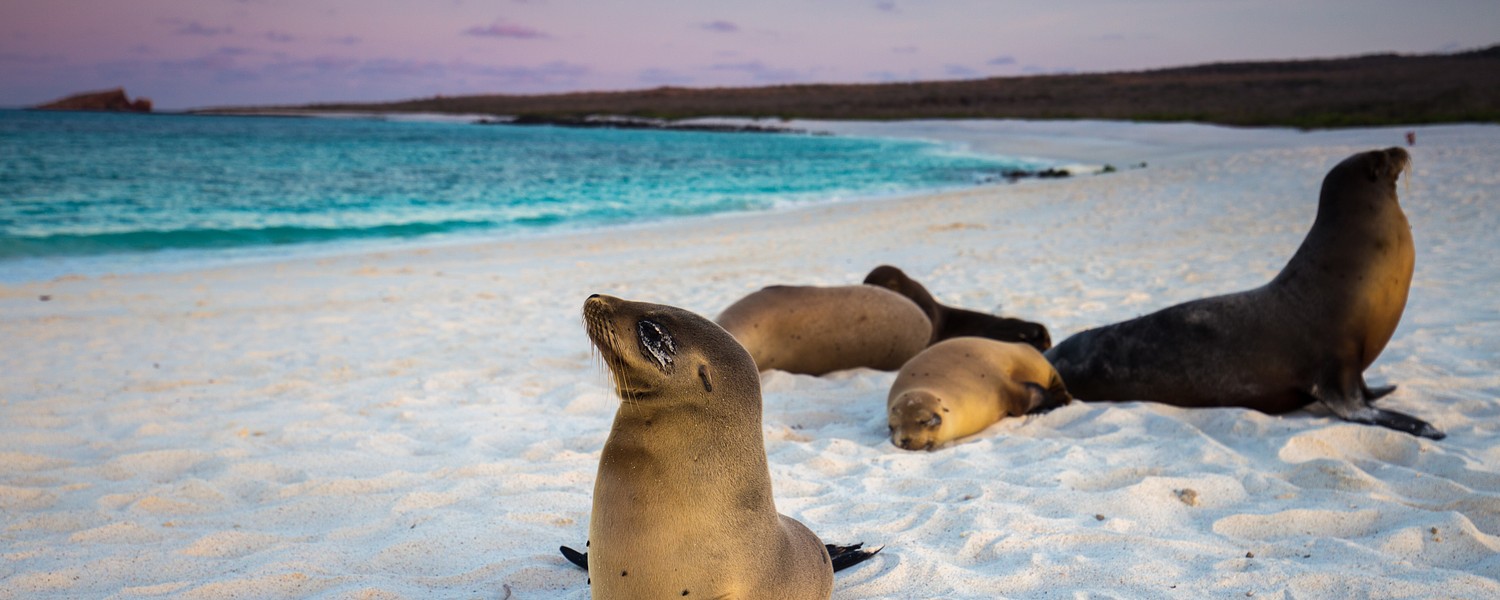
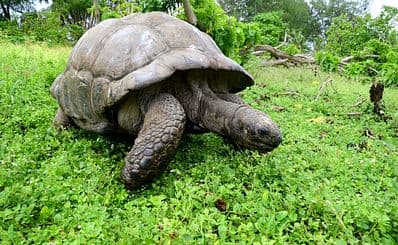
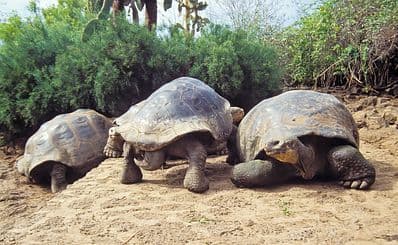
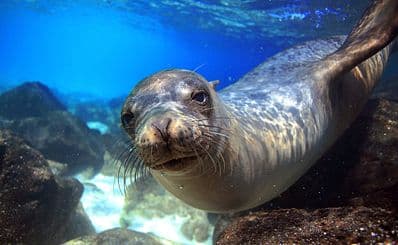
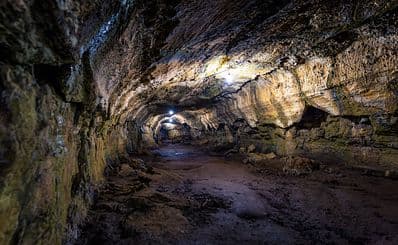
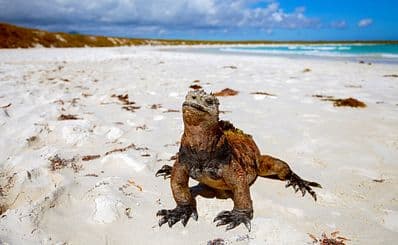
The Galapagos Islands feature some of the world's most interesting volcanic formations, and the landscapes often look like something out of fiction or fantasy. Caves, lava fields, beaches, and volcanoes offer visitors exceptional hiking, swimming, and scuba diving. And wherever travellers spend their days on the islands, they are always surrounded by abundant fascinating and unique wildlife. Getting up close and personal with this wildlife is a truly unique experience.