Beirut

Lebanon

Beirut

Provided byHaigos/shutterstock
PDF Guide

Our travel guides are free to read and explore online. If you want to get your own copy, the full travel guide for this destination is available to you offline* to bring along anywhere or print for your trip.

*this will be downloaded as a PDF.

Price

€4,95

Do & See

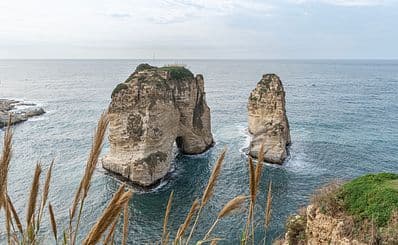
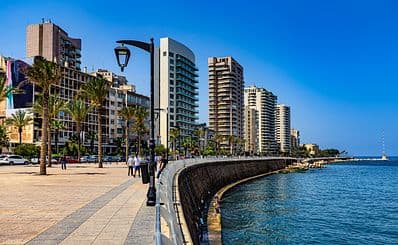
Beirut makes for a fantastic base to explore the rest of the country once the city's captivating neighbourhoods are over and done with. The best way to explore the city is to set out on foot, as the public transportation system will likely appear confusing to outsiders. Hit major historic landmarks like the Old Town's Roman Baths, natural wonders like the Pigeon Rocks just off the Corniche, and the upcoming neighbourhoods of Mar Mikhael and Gemmayzeh along the way.
Sakhrat Al-Rawchieh — Pigeon Rocks

Sakhrat Al-Rawchieh — Pigeon Rocks

Raouché Rocks, also known as the Pigeon Rocks, is one of Beirut’s most iconic landmarks. Rising from the Mediterranean, these natural rock formations are best admired from the Corniche, where people gather to take in the view. For a closer look, you can take a boat ride around the rocks and through their sea caves. The trip offers stunning views, sea breezes, and a glimpse of Beirut’s coastal charm. Visiting Sakhrat al-Rawsheh is an experience not to be missed.

Do & SeeRead more →
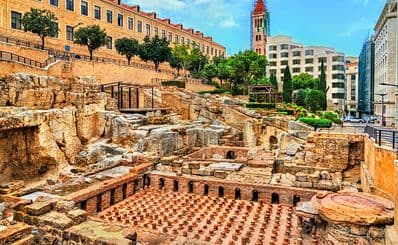
Roman Baths & Forum

Roman Baths & Forum

This site is an opportunity that Beirut offers to admire its Roman heritage. Located right in the heart of downtown, between Banks Street and Capuchin Street, these archaeological ruins showcase a glimpse into the city’s ancient past. You can still see the four halls, a marble pool, stone basins, and even a medicinal garden that reflects Roman traditions. Just a short walk away, you’ll also find the Roman Forum of Beirut. Best of all, entry is free of charge.

Do & SeeRead more →
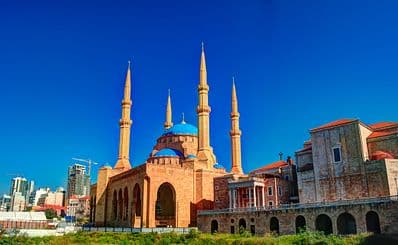
Mohammad Al Amin Mosque

Mohammad Al Amin Mosque

Mohammad Al Amin Mosque is Beirut’s most important and largest mosque, instantly recognisable by its blue dome and four minarets. Built in the Ottoman-Turkish architectural style, it dominates the skyline around Martyrs’ Square and is regarded by locals as a symbol of Lebanese unity. Inside, the mosque is just as impressive. You will be captivated by its chandeliers, intricate Islamic calligraphy, and warm lighting. Tourists are welcome, but it’s essential to respect the dress code and worshippers. Keep in mind that entry is limited to the five daily prayer times.

Do & SeeRead more →
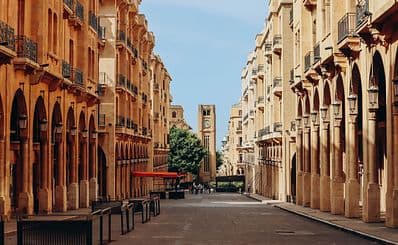
Downtown Beirut

Downtown Beirut

Downtown Beirut is best explored on a cycling tour during the day. The city centre showcases sleek glass towers, while just a block away, abandoned high-rises with bullet holes stand as urban fossils from a not-so-distant war. The area is a blend of modern and traditional architecture, complemented by dining options and important historical landmarks. Make sure you stop to take a photo at the popular 'I Love Beirut' sign, visit Martyrs’ Square, a moving memorial to the nationalists executed here in 1916 under Ottoman rule, and admire the impressive Mohammad Al-Amin Mosque.

Do & SeeRead more →
View all Do & See