

The IslandGuide was updated: 17 Mart 2025
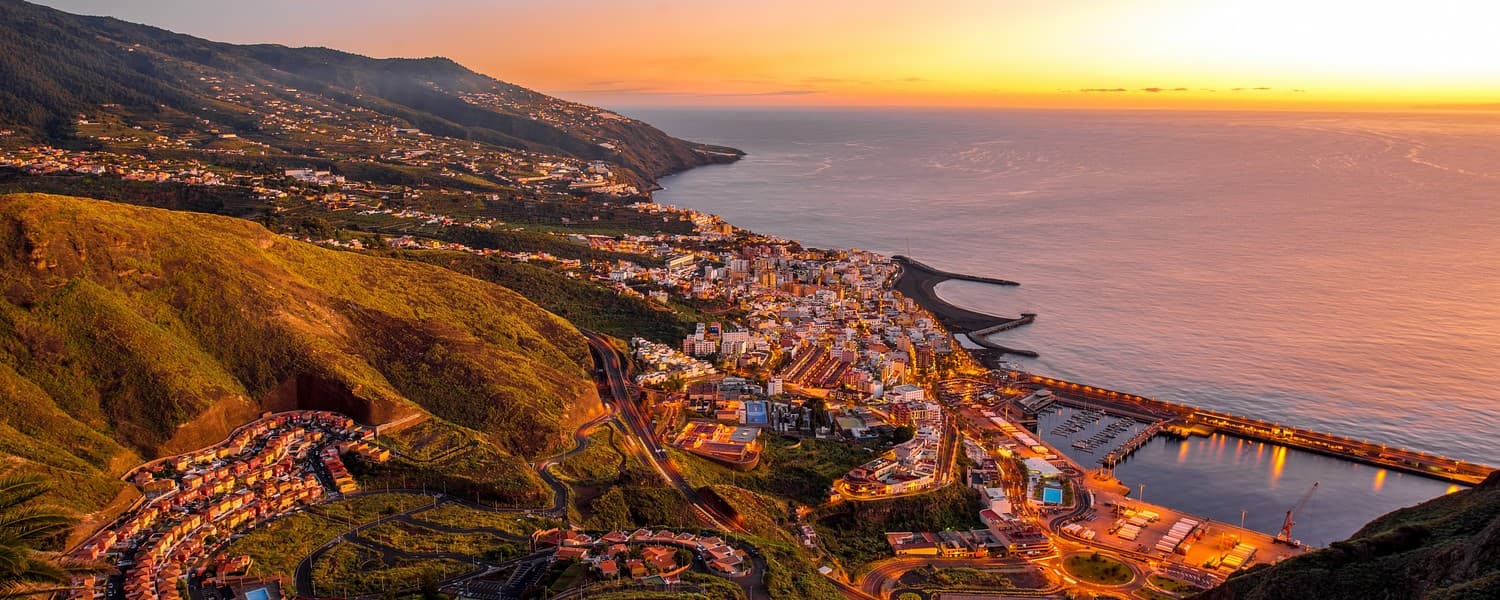
La Palma's two primary touristic centres, Puerto Naos in the west and Los Cancajos in the east, are often used as base points for further exploration of the island. Down south is another popular area of Fuencaliente, whose two coastal lighthouses, one still visibly damaged by a past volcano eruption, and curious salt pans are some of the main attractions.
Inland lies the incredible Caldera de Taburiente National Park and the El Roque de los Muchachos Observatory, with its majestic line-up of telescopes promising, quite truthfully, some spectacular views of the night skies. No special facilities are required for stargazing at elevations as high as 2.5 kilometres, but guided tours are available for those willing to take an in-depth look around one of the world's most important observatories.
The entirety of the island has now been declared a UNESCO biosphere reserve, with a varied terrain of volcanoes bordering on lush forests, inviting visitors to hours of hiking across well-marked trails. Organic produce plays an important role in local cooking and lifestyle too. See how organic bananas are harvested at one of La Palma's organic farms, and savour home-grown fruit and vegetables at the occasional scenic hillside eatery.