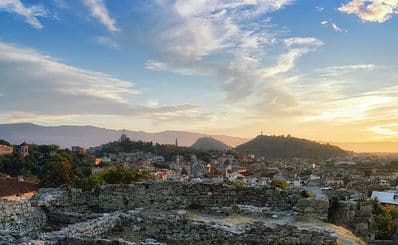
Life in Plovdiv has never ceased since its first inhabitants - Thracian tribes, settled down about 8, 000 years ago. Due to this fact it has been proclaimed by Daily Telegraph 'The Oldest Continuously – Inhabited City in Europe'.
In IV century BC Philip II of Macedon conquered the city and gave it one of its most popular names – Philippopol. Philippopol played an important role in formation of Hellenistic culture.
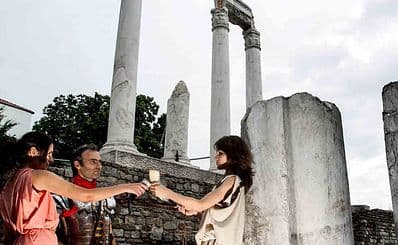
In 46 AD Thrace became a Roman province and Plovdiv was given the name Trimontium (City on Three Hills), but citizens often referred to it with its previous name - Philippopol. Later it was proclaimed a metropolitan city of the Thracian province. After the separation of the Roman Empire, it became part of the Byzantine Empire, until it was first conquered by Bulgarians under Khan Krum in 812.
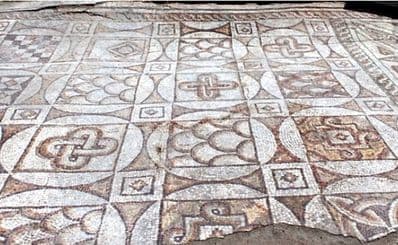
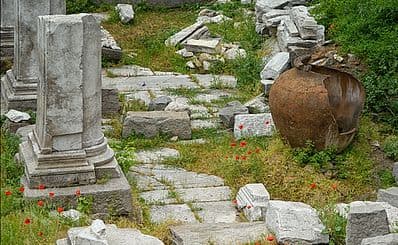
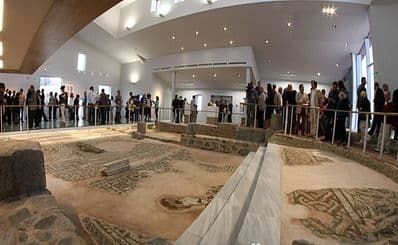
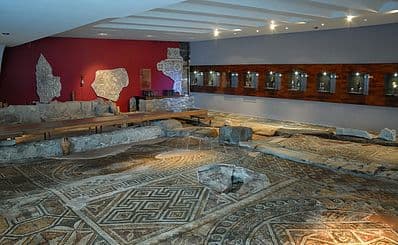
During the Ancient period, Philippopol became a city as significant as it is nowadays. In the ast 8 millenia, representatives of various civilizations left their imprint and created unique of its kind cultural heritage. Doublessly, the cultural sites from the Roman period are among the most well-preserved in the modern city.
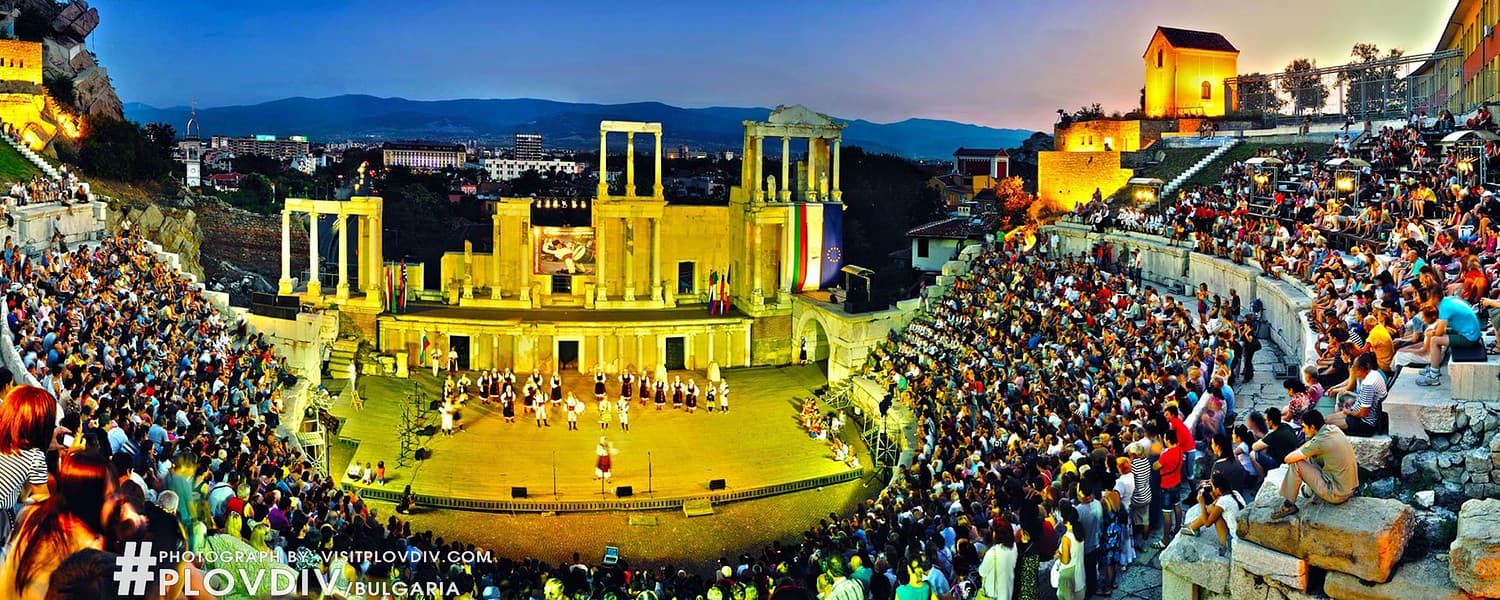
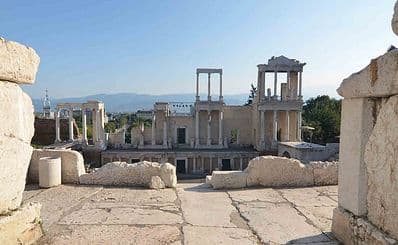
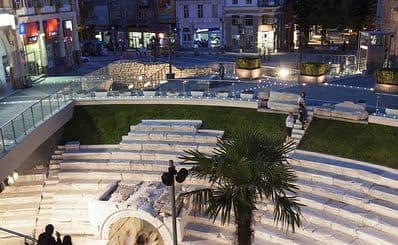
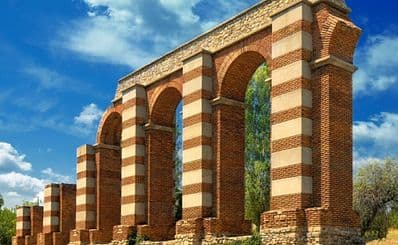
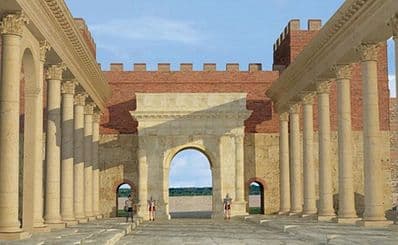
As a metropolitan city of the Roman province of Thrace, Phlippopol was gradually equipped with all the commodities, typical for a leading administrative center: a Forum and Odeon, magnificent theatre - venue of cultural life not only in Antiquity, but also in the modern city, a huge stadium, which hosted games, resembling the Olympic games, as well as Aquaducts. Soon after Christianity was legalized in the beginning of VI century, the city became an important religious center.