Drum Tower (Gulou)

Drum Tower (Gulou)

Xi'an

Provided bySquirrel_photos/Pixabay
PDF Guide

Our travel guides are free to read and explore online. If you want to get your own copy, the full travel guide for this destination is available to you offline* to bring along anywhere or print for your trip.

*this will be downloaded as a PDF.

Price

€4,95

Drum Tower (Gulou)

Drum Tower (Gulou)
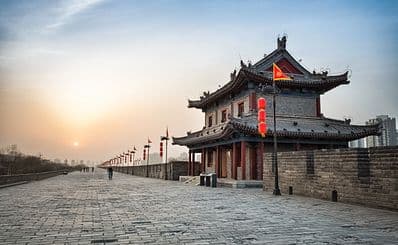
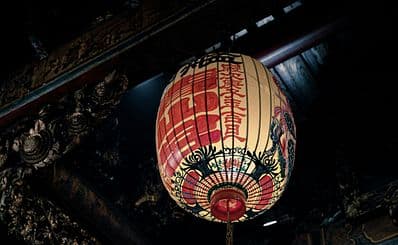
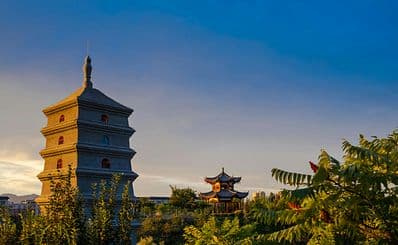
The Drum Tower, originally built in the 14th century without a single iron nail, is a testament to ancient Chinese craftsmanship. This remarkable structure holds 24 drums, representing the traditional Chinese solar terms that marked the seasons. Reconstructed in the 17th century, the tower remains a focal point of Xi’an’s history. Visitors can climb to the top for sweeping views of the old city and enjoy live drum performances held every other hour.

Information

  • address74 Yajie, Beilin District, Xi'an
  • openingHoursOpen daily from 8:30am to 9:30pm during the peak season (March to November) and from 8:30am to 6pm in the off-season (December to February).
  • phone+86 29 8727 3526

More in Do & See

Daciensi Temple Complex and Giant Wild Goose Pagoda

Daciensi Temple Complex and Giant Wild Goose Pagoda

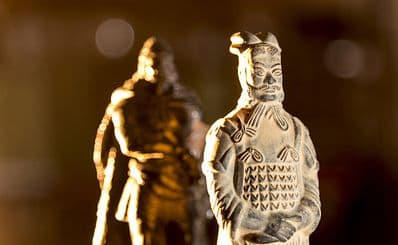
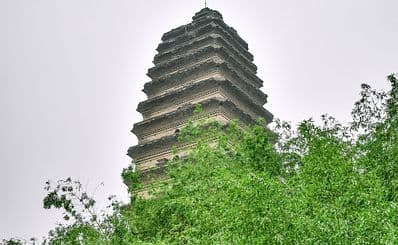
The Daciensi Temple complex, anchored by the striking Daciensi Tower, stands as one of Xi’an’s most treasured landmarks. Originally built during the Tang Dynasty by Emperor Gaozong in memory of his mother, this historic site carries the weight of centuries. Legend has it that after the famed monk Xuanzang's epic journey to India to obtain sacred Buddhist scriptures, he returned here to translate them, setting up the temple as one of the earliest centres of Buddhist learning in China. Within the temple grounds, the iconic Dayan Pagoda (also known as the Giant Wild Goose Pagoda) draws most of the attention. Built in the 7th century, it’s an enduring symbol of China’s first female ruler, Empress Wu Zetian, and her devotion to Buddhist teachings. Architecturally, the pagoda is a masterpiece of Tang Dynasty design, and climbing its steep, stone steps rewards you with sweeping views of Xi’an below.
Do & SeeRead more →
Emperor Qinshihuang's Mausoleum Site Museum

Emperor Qinshihuang's Mausoleum Site Museum

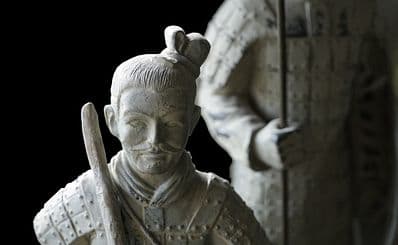
The Emperor Qinshihuang's Mausoleum Site Museum is home to the world-famous Terracotta Army, built to protect China's first emperor, Qin Shi Huang, in the afterlife. Crafted more than 2,200 years ago, the army consists of thousands of life-sized clay soldiers, chariots, and horses, each with distinct facial features and expressions. The incredible level of detail and preservation means that, even after over two millennia, these warriors still stand guard over their long-deceased ruler.

Do & SeeRead more →
Huashan Mountain

Huashan Mountain

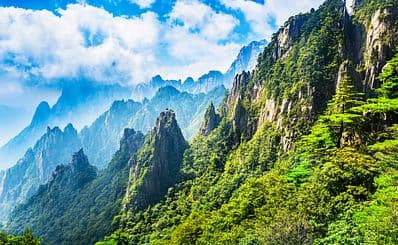
Huashan, or Mount Hua, is one of China’s five great mountains and holds a special place in Taoist tradition, with several sacred temples and ancient pavilions dotting its steep paths. The mountain is renowned for its dramatic, knife-edge trails that reward climbers with awe-inspiring views, though there’s also a cable car for a more leisurely ascent. From the top, the sight of clouds weaving between rugged peaks is truly breathtaking. Located about 120 kilometres from Xi’an, Huashan makes an unforgettable day trip for those looking to experience the grandeur of China’s mountainous landscapes.

Do & SeeRead more →
Huaqing Hot Springs

Huaqing Hot Springs

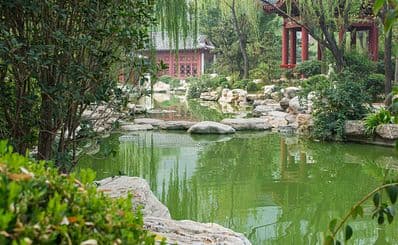
Situated beside the Mausoleum of the First Qin Emperor and Lishan National Forest Park, the Huaqing Hot Springs are renowned for their mineral-rich waters, long believed to have skin-rejuvenating qualities. This historic site was favoured by one of China’s most famous beauties, Consort Yang Yuhuan, during the Tang Dynasty. Known as one of the 'Four Great Beauties' of ancient China, Yang would bathe in these very springs. Today, visitors can soak in the same restorative waters and explore the serene gardens and palatial remnants that once hosted emperors and their consorts.

Do & SeeRead more →
Qinglong Temple

Qinglong Temple

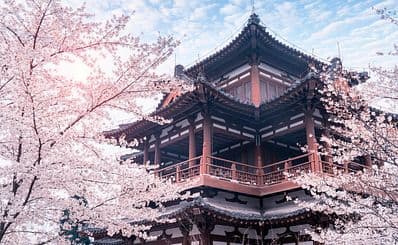
Qinglong Temple, or the Temple of the Green Dragon, is a historic site known for its deep ties to both Chinese and Japanese Buddhism. Established during the Tang Dynasty, it gained further significance when the Japanese monk Kukai (founder of Shingon Buddhism) came to study here in the 9th century. The temple is also renowned for its stunning cherry blossoms, which are particularly spectacular during the annual festival held in March and April. With both Japanese and Chinese cherry blossom varieties, the temple grounds transform into a sea of pink and white flowers, attracting many visitors, especially in late March to early April, when the blossoms are at their peak.

Do & SeeRead more →
Great Mosque of Xi'an

Great Mosque of Xi'an

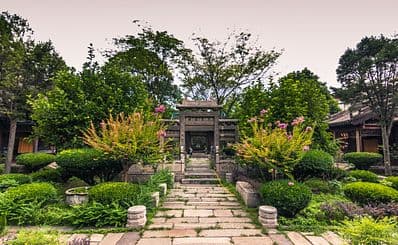
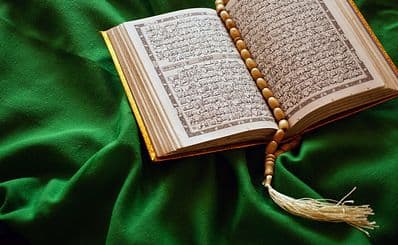
One of the oldest and largest mosques in China, the Great Mosque of Xi'an is a fascinating blend of Islamic and Chinese architectural styles. Built in the 8th century, it’s a stunning example of how different cultures can come together in harmony. As you wander through its peaceful courtyards, you’ll spot pagoda-like minarets, intricately carved wooden beams, and beautiful Arabic calligraphy—all set against a backdrop of serene gardens. The mosque is still an active place of worship, offering visitors a chance to witness the unique fusion of Chinese and Islamic traditions.

Do & SeeRead more →
Shaanxi History Museum

Shaanxi History Museum

If you're looking to get a sense of the region's ancient past, the Shaanxi History Museum is where you need to go. The museum is packed with artefacts from thousands of years of history, reflecting the importance of Shaanxi as the heart of several key Chinese dynasties. Among its vast collection, one of the main draws is the display of four original Terracotta Warriors. As you wander through the museum, you’ll come across everything from detailed bronze tools and pottery to fascinating tomb relics, each telling a different part of the region’s story.

Do & SeeRead more →
Temple of the Eight Immortals (Ba Xian An)

Temple of the Eight Immortals (Ba Xian An)

Xi'an’s largest Taoist temple, the Temple of the Eight Immortals, dates back to the Song Dynasty and remains an active place of worship. The temple was supposedly built on the site of an ancient wine shop and is said to have been constructed to protect against subterranean divine thunder. As you explore the temple, you'll notice vivid scenes from Taoist mythology painted around the courtyard. The temple also has an intriguing historical connection: in 1901, Empress Cixi, mother of China’s last emperor, sought refuge here after fleeing Beijing during the Boxer Rebellion.

Do & SeeRead more →
Muslim Quarter

Muslim Quarter

The Muslim Quarter in Xi'an has been home to the city’s Muslim community for centuries. Stretching north from the Drum Tower, the quarter is a maze of narrow alleys and lively backstreets. It is home to halal butcher shops, small mosques, food markets brimming with local delicacies, and stores selling everything from spices to traditional crafts. It’s a fascinating place to explore, with the scents of sizzling street food filling the air, and it offers a unique glimpse into the cultural fusion that defines Xi'an.

Do & SeeRead more →