Souq des Chechias preserves Tunisia’s crimson-hatted heritage beneath vaulted brick arches designed to funnel Mediterranean breezes. Once the engine of a million-strong fez trade, its remaining artisans still hand-felt wool into the iconic blood-red chechias, now joined by rainbow variations for West African markets. The 17th-century complex, divided into Grand and Petit Souq, showcases Moorish ingenuity: thick walls buffer summer heat, while roof apertures cast chessboard shadows across the arcades.
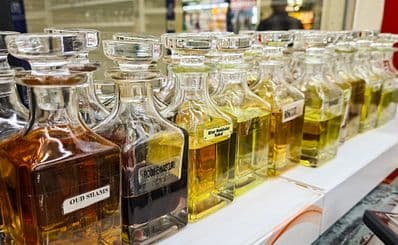
Observe craftsmen pressing steaming wool over wooden moulds, a technique unchanged since Ottoman times. Nearby, the Perfumiers Souq (al-Attarine) contributes amber and jasmine notes to the air. At dusk, traders slide shut the souq’s nail-studded doors painted with protective calligraphy, but the alley’s café lingers with students debating over sweet tea. Unlike medina stalls hawking mass-produced souvenirs, this is a living industry, where a hat’s price reflects days of kneading, dyeing, and sun-drying. For authenticity, seek shops with Zaghouan-dyed wool, the deepest scarlet.