Balaton Uplands National Park
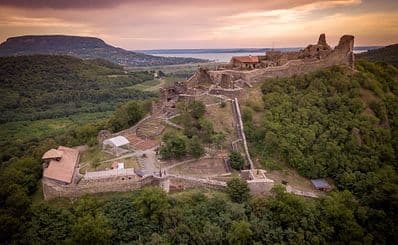
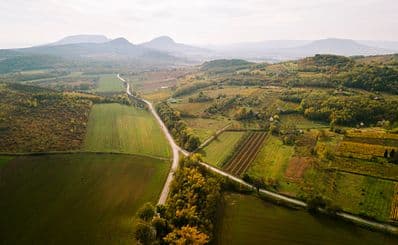
The area of 56 997 hectares of the Balaton Uplands National Park mainly consists of these six landscape protection areas: Kis-Balaton, Keszthely Hills, Tapolca Basin, Káli Basin, Pécsely Basin and Tihany Peninsula. Among its regions Kis-Balaton is also protected by the international Ramsar Convention, serving the protection of wetland habitats. Tihany Peninsula – as a recognition of its outstanding geological values and the work of nature conservation in that region – was awarded of European Diploma in 2003. The Natura 2000 areas, covering partly the National Park and going beyond its area ensure the possibility of the conservation of habitats, plant and animal species which are of European importance. The initiative of Bakony–Balaton Geopark – the area of which covers partly the National Park – sets the aim of interpreting the geological, natural and cultural values and awakening the consciousness of their social significance. The Bakony–Balaton Geopark became member of the European Geoparks Network and the Global Geoparks Network – assisted by UNESCO in 2012.